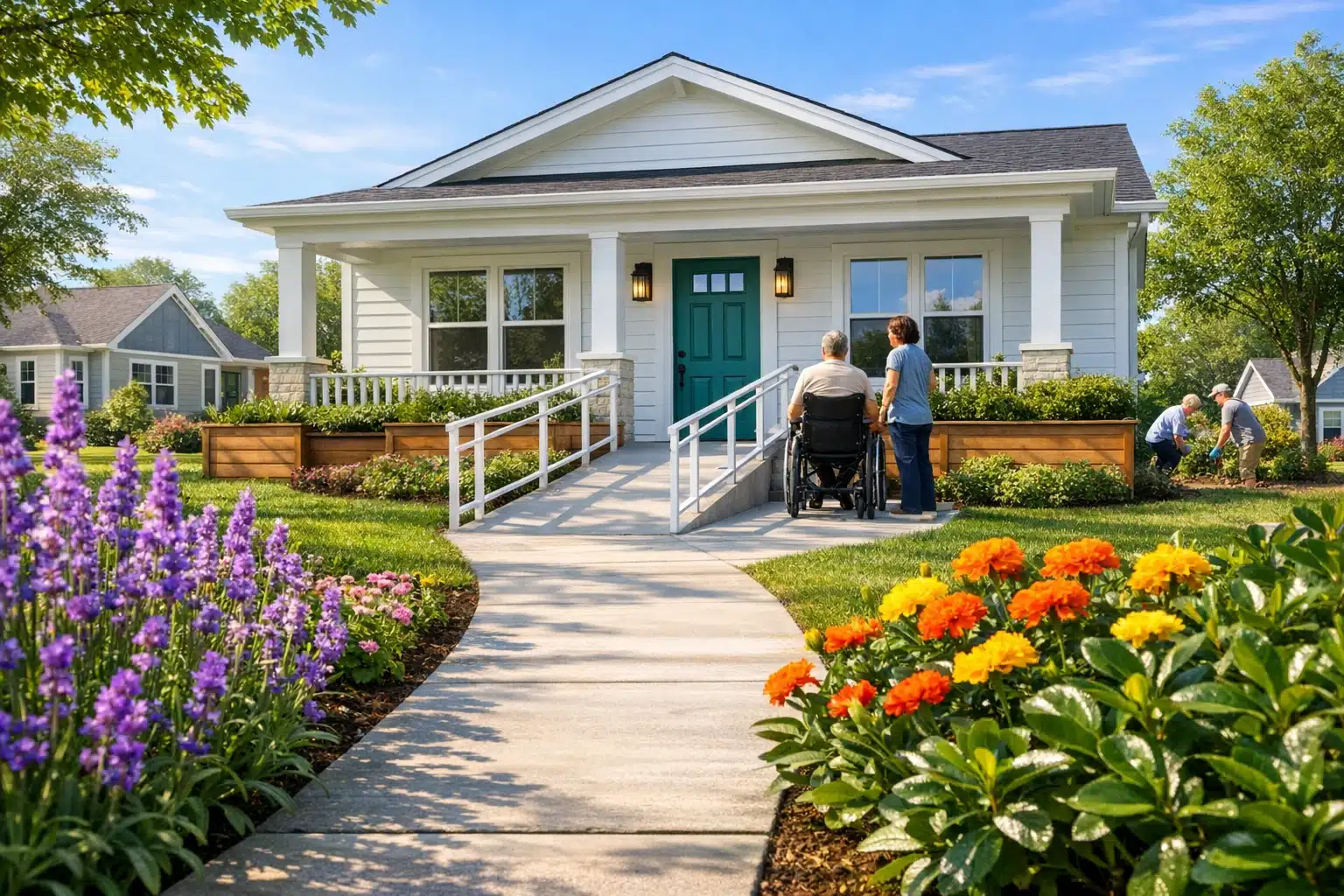
How SSI and SSDI Recipients Can Get a Home Through Habitat for Humanity – What to Know
Introduction and Article Outline: Why This Topic Matters
For many people who receive SSI or SSDI, the idea of owning a safe, stable home can feel both hopeful and distant. Rent rises faster than fixed benefits in many communities, accessible units are scarce, and bank mortgage rules often favor applicants with higher wages and simpler financial histories. Habitat for Humanity matters here because it can create a practical path to homeownership built on affordability, preparation, and local partnership.
That path is important because housing is more than shelter. A dependable home can support better health routines, easier transportation planning, stronger ties to schools and medical providers, and a greater sense of control over daily life. For someone living on disability benefits, those practical gains can be just as meaningful as the emotional ones. A front door that is truly yours can change the rhythm of a week: fewer moving boxes, fewer landlord surprises, fewer nights wondering whether next year’s rent will still fit the budget.
Still, hope needs structure. Habitat for Humanity is not a quick handout, and it is not the same as walking into a bank and asking for a conventional mortgage. Most local Habitat programs use an application process that looks at need, ability to pay, and willingness to partner. That means SSI and SSDI recipients must think carefully about monthly affordability, documentation, household size, credit history, and any disability-related accommodations they may need during the process.
This article begins with a practical outline so readers know where they are headed. It covers:
• how Habitat for Humanity homeownership programs usually work
• what SSI and SSDI recipients should know about eligibility and documents
• how affordability is measured, including housing costs beyond the mortgage
• which benefit rules deserve extra attention before signing papers
• what steps to take if you want to apply, prepare, or improve your chances
The goal is not to promise approval, because approval depends on local rules and individual finances. The goal is to replace confusion with a map. If you receive SSI or SSDI and have ever wondered whether homeownership belongs only to other people, this topic deserves a closer look. In some communities, the answer is not a flat no. It is a cautious, paperwork-heavy, but very real maybe.
How Habitat for Humanity Homeownership Programs Usually Work
Habitat for Humanity is widely known for building or rehabbing homes with community support, volunteer labor, and affordable financing. What many people do not realize is that the organization usually works through local affiliates, and each affiliate has some freedom in how it runs its program. That matters a great deal for SSI and SSDI recipients. One affiliate may focus on new construction, another on renovated homes, and another on neighborhood revitalization that includes repair, education, and limited homeownership opportunities. The broad mission is shared, but the details can differ from place to place.
In general, Habitat homeownership is based on three ideas: demonstrated housing need, the ability to manage affordable payments, and willingness to partner with the organization. The word partnership is important. Habitat homes are not simply given away. Many programs require future homeowners to complete homebuyer education and contribute “sweat equity,” which can include construction work, office tasks, class attendance, or other approved activities. For applicants with disabilities, local affiliates may be able to discuss reasonable alternatives or accommodations if physical labor is not possible. That is one reason it helps to talk early and openly about access needs.
Compared with a conventional lender, Habitat may look at your situation more holistically. A traditional mortgage application often emphasizes credit scores, debt ratios, employment patterns, and a larger down payment structure. Habitat programs may still review debts, payment history, and income stability, but they are often designed for households shut out of the standard market. In plain terms, the front gate can be different even if the financial responsibility at the end is very real.
Here is a useful comparison:
• Renting can offer flexibility, but rent can increase and a landlord controls many decisions.
• A conventional mortgage may provide ownership, but qualifying can be hard on benefit income alone.
• Habitat aims to create affordable ownership with support, education, and mission-driven underwriting.
Many affiliates try to keep housing costs within a manageable share of income, often using affordability standards similar to the common guideline that housing should not exceed about 30 percent of gross income. Monthly cost may include more than principal alone. Property taxes, insurance, and sometimes homeowner association fees or escrow amounts can all matter. Some homes may also be designed or modified for accessibility, such as step-free entries, wider doors, or bathroom adjustments, although features vary by project and funding.
The big takeaway is this: Habitat for Humanity is not magic, but it is different. For SSI and SSDI recipients, that difference can be the reason homeownership moves from fantasy into a process with actual forms, actual deadlines, and an actual address at the end.
Eligibility for SSI and SSDI Recipients: Income, Documents, and Practical Realities
If you receive SSI or SSDI and want to apply for a Habitat home, the first question is usually simple: can disability benefits count as income? In many situations, yes, they can be considered as part of household income, because they are regular benefit payments. But that does not mean every benefit recipient will qualify. Habitat affiliates still need to determine whether the total household income is enough to support the projected housing payment and related costs. A fixed check that arrives reliably each month can be a strength, yet the amount may still be too low for local housing prices in some markets.
It also helps to understand the difference between SSI and SSDI. SSI is a needs-based program with strict income and resource limits. SSDI is based on work history and disability status, and it does not have the same asset cap. That distinction can shape planning. For example, a person on SSI must pay close attention to how savings, gifts, or assistance are structured before purchase, while a person on SSDI may be more focused on debt, monthly affordability, and credit rather than resource limits. Either way, the home you live in is generally treated differently from cash in the bank; a primary residence is usually not counted the same way as liquid assets for SSI purposes. Still, details matter, and timing matters even more.
Local Habitat affiliates commonly request documents such as:
• Social Security award letters or benefit verification
• identification for all adult household members
• bank statements
• tax returns or non-filing statements, if applicable
• proof of current housing conditions, such as rent receipts or lease documents
• information about debts, child support, or other recurring obligations
Credit history may also be reviewed, but many affordable housing programs do not expect perfect credit. What they often want to see is whether bills have been handled responsibly over time, whether collections are being addressed, and whether there is a pattern of stability rather than crisis. Late utility payments, medical debt, or limited credit history do not always end the conversation, though unresolved issues may slow it down.
Household composition matters too. Habitat homes are usually built or selected based on family size and bedroom need. Some affiliates serve single adults, while others focus on families with children or multigenerational households. Accessibility needs should be disclosed early if a home must accommodate mobility devices, service routines, or medical equipment. A thoughtful application is not just about saying, “I need a house.” It is about showing, with evidence, why this program is a practical fit and how the household can sustain ownership over time.
The most effective applicants often prepare before the application opens. They organize records, reduce avoidable debt if possible, and ask questions about local rules instead of assuming national branding means a single national standard. When benefits are your financial foundation, precision is not a luxury. It is part of the application itself.
Affordability, Budgeting, and Protecting Your Benefits While Buying a Home
One of the smartest things an SSI or SSDI recipient can do before applying is to look past the word “mortgage” and ask a more grounded question: what will owning this home truly cost each month? Habitat for Humanity exists to support affordable homeownership, but affordability is not the same as cheapness. A monthly payment that looks manageable on paper can become stressful if utilities are high, transportation costs rise, or home maintenance is ignored. A stable budget is the quiet engine behind lasting homeownership.
A good rule of thumb used widely in housing policy is that a household is more likely to remain stable when it spends no more than about 30 percent of gross income on housing. Many affordable housing programs use this benchmark in some form, although exact standards vary. For disability benefit recipients, the challenge is that even a modest payment can claim a large share of income when benefits are fixed. That is why a full budget matters. Beyond mortgage principal, a home may require:
• property taxes
• homeowners insurance
• utilities such as electricity, water, and internet
• maintenance and repair costs
• accessibility upgrades not covered by the original project
• transportation costs tied to the home’s location
Compared with renting, ownership can create predictability in some areas and new responsibility in others. Renters may avoid roof repairs, but they face rent hikes and fewer long-term guarantees. Conventional mortgages may offer market access, but they often demand stronger credit profiles, more savings, and income types that benefit recipients do not always have. Habitat can be a middle path: more supportive than a bank, more permanent than a lease, yet still demanding honest budgeting and financial discipline.
Benefit rules also deserve careful attention. For people on SSI, the primary home you live in is generally excluded as a resource, which is encouraging. However, cash you save before buying, gifts from relatives, or informal support with housing costs can affect eligibility if handled incorrectly. SSDI recipients do not face the same resource limit, but they still need to avoid overcommitting to monthly expenses. In some cases, ABLE accounts, special needs planning, or benefits counseling may help households structure savings and purchases more safely, though those tools depend on individual circumstances.
Another point that is easy to miss: affordability does not end at closing. Homes need upkeep. A water heater fails at the least poetic moment possible, often when the checking account is already thin. Building a small emergency reserve, even slowly, can make the difference between security and setback. If you are exploring Habitat homeownership, do not just ask whether you can get into the house. Ask whether you can stay steady once you are there. That second question is where successful planning begins.
A Step-by-Step Plan and Summary for SSI and SSDI Home Seekers
If this path sounds possible, the next step is not guessing. It is building a plan. Habitat for Humanity programs can move slowly, and that is not always a bad sign. Affordable homeownership takes underwriting, construction or rehabilitation timelines, volunteer coordination, and careful household review. For SSI and SSDI recipients, patience paired with preparation often works better than rushing toward the first open application window.
A practical roadmap usually looks like this:
• Find your local Habitat affiliate and read its eligibility page carefully.
• Attend an orientation session if one is offered.
• Ask whether SSI or SSDI income is accepted and how affordability is measured.
• Request information about sweat equity, disability accommodations, and accessibility features.
• Gather documents early, including benefit letters, bank records, identification, and current housing information.
• Review your monthly budget with realistic numbers, not hopeful ones.
• If you receive SSI, consider speaking with a benefits counselor before major financial changes.
• Submit a complete application and respond quickly to follow-up requests.
Common obstacles should not be ignored. Some applicants discover that their income is too low for the local program. Others run into credit issues, unclear paperwork, or long waiting periods for available homes. Some need an accessible design that a specific project cannot provide. None of that means the effort is wasted. It may simply mean the path needs adjustment. You might work on debt reduction, build documentation, look into property tax relief programs, explore housing counseling agencies approved by HUD, or reapply when the next cycle opens. In some areas, other nonprofit homeownership programs or community land trusts may also be worth comparing.
There is also a human side to this process that deserves respect. Applying for housing when you live on disability benefits can feel invasive. You may be asked to document need in ways that are emotionally tiring. You may have to explain your finances again and again. Try not to mistake that paperwork fatigue for personal failure. Systems are complicated, but your need for safe housing is not unreasonable.
Summary for SSI and SSDI recipients: Habitat for Humanity can be a realistic route to homeownership, but it works best for applicants who treat it as a serious financial partnership rather than a rescue story. Learn your local affiliate’s rules, understand how your benefits interact with savings and housing costs, ask for accommodations when needed, and build a budget that includes the unglamorous parts of ownership. If you do those things, you give yourself something more durable than hope alone. You give yourself a strategy, and sometimes strategy is exactly what turns a distant possibility into a home.