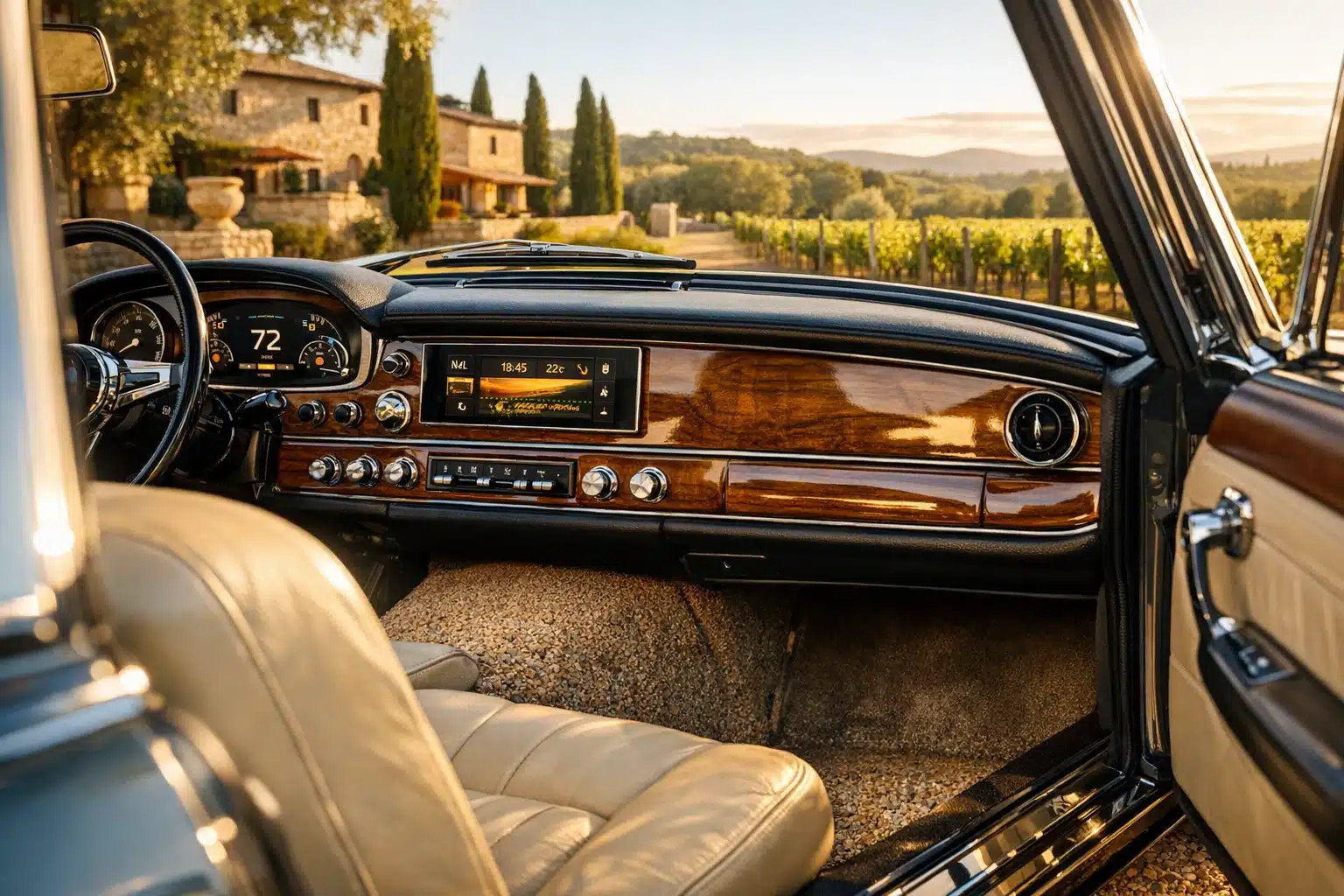
Digital Displays in Modern Life: Affordable Upgrades for Your Car Interior
Cars have become moving digital spaces, and the dashboard is often the first place owners notice the gap between an older cabin and a newer one. A well-chosen display can refresh the atmosphere, improve access to navigation and media, and present driving data more clearly without demanding a full interior rebuild. For drivers who want a practical upgrade with visible impact, digital screens offer one of the fastest ways to modernize daily travel.
This article moves through the subject in a simple order, starting with the reasons digital displays have become so popular and ending with practical buying advice for everyday drivers. Along the way, it compares budget-friendly solutions, vehicle-specific variations, design choices, and the technology that sits behind the glass.
- Why digital displays have become a major interior upgrade
- Affordable and quick ways to modernize a cabin
- Variations for different tastes and car makes
- The technology, features, and compatibility details that matter
- A conclusion aimed at drivers choosing their next upgrade
Why Digital Displays Have Become a Go-To Interior Upgrade
Digital displays have moved from luxury-car novelty to everyday expectation. A decade or two ago, many drivers were content with a small radio screen, simple gauges, and a phone mount clipped to an air vent. Today, even modest new vehicles often include touchscreen infotainment, reverse-camera support, smartphone integration, and configurable driver information screens. That shift has changed what owners expect when they sit behind the wheel. An older car may still run beautifully, but if the dashboard feels dim, dated, or awkward to use, the whole cabin can seem older than the mechanical condition suggests.
One reason digital displays matter so much is that they influence both style and function at the same time. A seat cover changes texture. New floor mats improve cleanliness. Better lighting adds mood. A display, however, affects almost every interaction in the cabin. It becomes the place where a driver checks directions, changes music, answers calls, reviews camera feeds, and sometimes even monitors vehicle data. That central role makes the upgrade feel larger than its physical size. In many cases, it changes the rhythm of driving as much as it changes the look.
There is also a clear market trend behind the popularity. Global demand for automotive displays has grown steadily as manufacturers add larger screens, digital instrument clusters, and connected features across more segments. Screen sizes that once felt premium, such as 7 or 8 inches, are now common in mainstream vehicles, while 10-inch and 12.3-inch panels are increasingly familiar. Aftermarket manufacturers have followed that demand with portable displays, replacement head units, and model-specific digital clusters designed for older vehicles.
Compared with purely cosmetic modifications, digital displays often deliver a more balanced return in daily usefulness. Drivers usually notice benefits such as:
- clearer navigation and map visibility
- easier access to music streaming and hands-free calling
- improved camera support for parking and reversing
- a more modern visual identity inside the cabin
- better presentation of trip, fuel, or vehicle information
Of course, not every screen is an automatic improvement. A poorly fitted unit with laggy software can irritate more than it helps. Still, when chosen carefully, a digital display offers something rare in car customization: a change that feels immediate, visible, and useful. It is the kind of upgrade that greets the driver before the engine even settles into idle, like opening the door and finding the cabin speaking a more modern language.
Affordable and Quick Solutions to Upgrade Car Interiors
For many owners, the appeal of digital displays is not just their modern appearance but the speed at which they can transform a cabin. A full interior restoration can take days or weeks, especially if it includes upholstery, trim repairs, sound treatment, and rewiring. By contrast, a display upgrade can often be installed in a single afternoon, and some portable units take less than an hour to set up. That makes them especially attractive to commuters, first-time modifiers, used-car owners, and people who simply want their vehicle to feel less dated without starting a large project.
The most affordable route is often the portable dash-mounted display. These units usually connect by power cable and work with Bluetooth, FM transmission, AUX, or direct audio output. Many support Apple CarPlay or Android Auto, allowing the driver to use familiar apps on a larger screen instead of relying on a phone alone. Entry-level products in this category commonly start around the lower end of the aftermarket range, while more refined versions add brighter screens, better microphones, and camera inputs. Their main advantage is simplicity: no dashboard cutting, limited disassembly, and easy removal if the car is sold.
A step above that is the replacement head unit. In vehicles with standard double-DIN or easily adaptable dashboards, this can provide a cleaner factory-style result. Costs vary widely, but a decent unit often sits in a moderate price bracket compared with other interior upgrades. Installation can still be relatively quick when the car has good aftermarket support and available wiring harness adapters. Instead of splicing every wire by hand, owners may use vehicle-specific connectors that preserve functions such as steering-wheel audio buttons and backup-camera compatibility.
At the higher end are digital instrument cluster conversions and large, vehicle-specific screens made to fit the dash shape of a particular model. These are not always cheap, yet they can still be cost-effective when compared with trading in a reliable car for a newer one just to gain a more modern cabin. In that sense, a display upgrade is less like buying decoration and more like buying a daily interface improvement.
Budget-minded buyers often consider options in three groups:
- Portable displays for quick setup and minimal installation effort
- Replacement head units for a cleaner integrated look
- Model-specific screen kits for a near-OEM appearance and broader features
The fastest solution is not always the best one, though. Portable screens can look slightly added-on, while integrated units require better compatibility planning. Sound quality, boot speed, glare resistance, and software stability all matter. Yet when the goal is to freshen the car’s atmosphere quickly, few upgrades match the effect of lighting up a crisp interface where an old monochrome radio once sat. It can feel a bit like replacing a paper map and cassette deck with a control center built for the present day.
Different Variations for Every Taste and Make of Car
One of the strongest arguments for digital displays is variety. There is no single correct style because cars themselves are wildly different in layout, purpose, and personality. A compact city hatchback, a family SUV, a diesel work van, a classic coupe, and a performance sedan all ask for something different from the dashboard. The aftermarket has responded with an impressive range of shapes, interface styles, and fitment solutions, making it possible to find upgrades that lean subtle, futuristic, sporty, or almost invisible.
Some drivers want an OEM-like appearance. For them, the ideal display sits neatly in the dashboard, matches the trim color, and looks as if the car should have left the factory that way. This style is popular among owners of mainstream models from brands such as Toyota, Honda, Volkswagen, Ford, Hyundai, BMW, and Mercedes-Benz, especially where vehicle-specific kits exist. These systems may preserve factory lines and use button layouts that blend with existing climate controls. The result is restrained rather than flashy, which appeals to drivers who want modern functionality without changing the character of the cabin.
Others prefer the tablet-style approach. Floating displays, wide landscape screens, and high-resolution interfaces can give older interiors a much more contemporary feel. This is common in custom builds and in cars where drivers want a visual centerpiece. In the right dashboard, the effect is bold and clean. In the wrong dashboard, it can look oversized or awkward. Taste matters here, and proportion matters even more.
There are also special cases where the best solution depends heavily on the type of vehicle:
- Classic cars often suit discreet retro-look head units with hidden digital functions
- Trucks and off-road builds may benefit from larger screens with camera and navigation support
- Performance cars often prioritize quick interface response and clean data presentation
- Family vehicles tend to value smartphone integration, voice control, and easy media access
- Daily commuters usually benefit most from reliability, readable maps, and smooth call handling
Fitment support also differs by make and model. A popular platform such as a Honda Civic, Volkswagen Golf, Ford F-150, or Toyota Corolla often has more plug-and-play options than a rare imported model or a niche sports car. This affects both price and installation time. A common vehicle may have ready-made fascia panels, harness adapters, and online installation guides. A less common car may require custom brackets, careful trim work, or professional help.
Design taste plays a subtle but powerful role too. Some drivers like clean black panels with understated graphics. Others enjoy bright interfaces, animated gauge layouts, and configurable widgets. Some want physical buttons alongside the screen because they are easier to use while driving. Others are happy with touch-only setups. The beauty of today’s market is that no single display needs to please everyone. Whether you drive a practical hatchback, a cherished older sedan, or a weekend coupe, there is likely a version that fits both the dashboard and the mood you want the cabin to carry.
All About Digital Displays: Technology, Features, and Compatibility
To choose a digital display wisely, it helps to know what sits behind the shiny surface. Not all screens are built the same, and two units that look similar in photos can behave very differently in real use. The most common categories in cars are infotainment displays, digital instrument clusters, rearview mirror displays, and head-up display accessories. Among these, infotainment units are the most widely upgraded because they combine navigation, media, phone functions, and camera support in one place. Digital clusters are more specialized and often require stronger vehicle integration.
Screen technology matters. Many automotive displays use LCD panels, and better versions often rely on IPS technology for improved viewing angles and color stability. Some premium systems use OLED-like panels or advanced high-contrast displays, though these are less common in the aftermarket due to cost and durability considerations. Brightness is another key factor. A screen that looks excellent in a garage may struggle in direct sunlight, so anti-glare coatings and adequate luminance make a real difference. Touch response matters too. Capacitive touchscreens usually feel more modern and smartphone-like than older resistive designs.
Software experience can matter as much as hardware. A display should boot quickly, switch smoothly between apps, and respond without obvious lag. Many owners now expect support for Apple CarPlay and Android Auto because these platforms provide familiar navigation, messaging, music, and voice control. They also reduce reliance on a manufacturer’s internal software ecosystem, which can age quickly if updates are limited. Wireless connectivity is increasingly popular, but wired connections may still offer more stability in some setups.
Compatibility is where excitement needs a reality check. A display may physically fit a dashboard yet still require the right harness, CAN bus interface, fascia panel, antenna adapter, and steering-wheel-control module to work properly. In modern cars, the screen is often linked to factory systems in ways that are not visible at first glance. Parking sensors, climate information, amplifier communication, reverse cameras, and warning chimes may all pass through the original head unit. Replacing that unit without planning can lead to lost features.
Before buying, it helps to compare the following points:
- screen size and resolution
- daylight visibility and anti-glare performance
- wired or wireless smartphone integration
- support for steering-wheel controls
- camera inputs and parking features
- audio compatibility with factory amplifiers
- update support and brand reputation
- installation complexity for the specific vehicle
Another important distinction is between appearance and integration. Some screens deliver an excellent visual upgrade but only basic functionality. Others integrate deeply with the car, displaying vehicle status, door-open alerts, tire data, fuel information, or customizable gauges. The deeper the integration, the more important software quality and vehicle-specific support become.
Drivers should also think about ergonomics. A large screen is not automatically safer or easier to use. Good placement, sensible menu structure, and fast access to common functions often matter more than raw size. Physical knobs for volume or temperature, where available, can still be useful. In short, the best digital display is not simply the biggest or the brightest. It is the one that fits the car, suits the driver’s habits, and turns routine interactions into smoother, calmer moments rather than extra distractions.
Conclusion for Drivers Considering a Smarter Cabin Upgrade
If you are thinking about upgrading your car interior, digital displays deserve serious attention because they blend visual impact with everyday utility in a way few modifications can match. They can make an older vehicle feel noticeably fresher, bring navigation and media controls into easier reach, and create a dashboard experience that feels more aligned with modern expectations. For many drivers, that combination is exactly the point: they do not need a new car, but they do want the cabin to feel easier to live with every single day.
The smartest choice depends less on trends and more on how you use the vehicle. A commuter may benefit most from a reliable portable display with strong phone integration. A long-term owner of a well-kept sedan might prefer a clean integrated head unit that looks close to factory. Someone restoring an older vehicle may want subtle digital convenience without disturbing the original character. A family driver may place camera support, call quality, and map clarity above everything else. There is no universal winner, and that is good news because it means the market offers room for different priorities rather than forcing one answer on everyone.
As a final decision guide, think in practical layers:
- Decide whether your priority is appearance, convenience, or deep integration
- Check your car’s fitment support before comparing screen styles
- Set a realistic budget for both hardware and installation accessories
- Read owner feedback about speed, glare, stability, and sound quality
- Choose a system that will be pleasant to use on ordinary drives, not just exciting on day one
For the target audience here, everyday car owners, enthusiasts with older models, and buyers looking for value, digital displays offer one of the most practical bridges between old and new. They can be affordable, surprisingly quick to install, and available in forms that suit different makes, layouts, and personal tastes. When chosen with care, they do more than light up the dashboard. They give the cabin a clearer voice, a neater rhythm, and a stronger sense that the car still belongs comfortably in the present.