2-Night Northern Lights Cruise from Hull to Norway
Short northern cruises from Hull have a special appeal: they promise sea air, Norwegian scenery, and the thrilling possibility of the aurora without demanding a full week off work. That mix of convenience and wonder matters to first-time cruisers, busy couples, and travelers who want a winter break with a clear theme. Yet a two-night itinerary also raises practical questions about value, comfort, and your real chances of seeing the sky come alive. This guide explores the appeal, the limits, and the smartest ways to approach the trip.
Outline:
- What this short cruise actually offers, and why it appeals to weekend travelers.
- How the route, season, and latitude affect your odds of seeing the Northern Lights.
- What life on board feels like during a brief North Sea crossing.
- How pricing and overall value compare with flying to Norway.
- Who should book this trip, who should not, and how to get the most from it.
What a 2-Night Northern Lights Cruise from Hull Really Offers
A 2-night Northern Lights cruise from Hull to Norway is best understood as a compact winter escape with an aurora theme, not as a dedicated Arctic expedition. That distinction matters. The promise of the Northern Lights is emotionally powerful, and cruise marketing often leans into that sense of possibility, but a very short itinerary has natural limits. You board in Hull, settle into your cabin, spend much of the journey crossing the North Sea, and experience a brief taste of Norway before returning. For many travelers, that format is part of the charm rather than a flaw. It feels manageable, affordable compared with a longer holiday, and easier to fit around work, family duties, or a tight annual leave allowance.
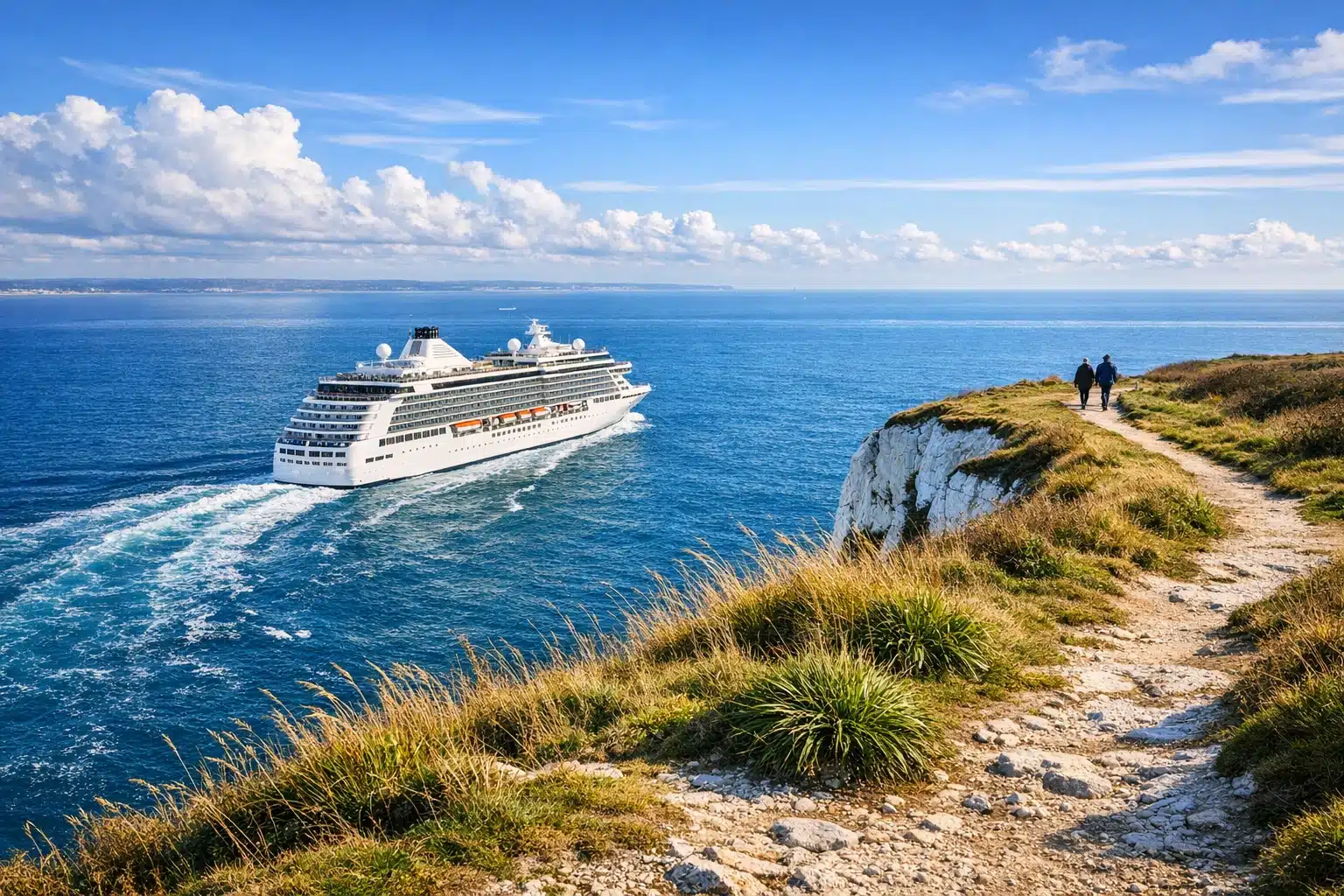
Hull is also a practical departure point for travelers in Yorkshire, the North East, the East Midlands, and parts of the North West. Instead of navigating a major airport, worrying about luggage rules, and making onward transfers after landing, you can often begin the journey in a calmer way. You park, check in, board, and let the ship carry you toward Scandinavia. There is something satisfyingly old-fashioned about that rhythm. As the shoreline fades behind you and the deck begins to taste of salt and cold wind, the trip starts to feel like a journey in the true sense, not merely transport.
Still, the main argument for taking a 2-night cruise is not depth; it is accessibility. It works well for people who want a sample of winter Norway and enjoy the atmosphere of travel itself. Compared with a 5- to 12-night Norwegian itinerary, a shorter sailing offers:
- Less time away from home
- A simpler planning process
- A lower entry point for first-time cruisers
- A chance to test whether cold-season cruising suits you
The trade-off is obvious. You get less time in port, fewer opportunities to chase clear skies, and limited flexibility if the weather turns poor. Longer voyages often reach higher latitudes or spend several nights in darker regions, which improves aurora odds. Land-based trips in northern Norway, especially around Tromso or Alta, can be even better for serious aurora seekers because they allow local guides to move inland away from cloud or city glow.
That does not make the Hull option disappointing. It simply means the cruise should be valued for the whole experience: the departure from England, the overnight crossing, the novelty of Norway in winter, and the possibility of a sky-borne reward. Seen in that light, it becomes an appealing travel idea for curious, realistic passengers rather than a guaranteed celestial encounter.
Route, Season, and the Real Odds of Seeing the Aurora
If you are booking this kind of cruise primarily to see the Northern Lights, the most important word is probability. The aurora is real, dramatic, and unforgettable, but it is not scheduled entertainment. It depends on solar activity, darkness, cloud cover, and location. Short sailings from Hull often head toward southern or western Norway rather than deep into the Arctic, and that geographical detail has a direct effect on your chances. Bergen sits at roughly 60 degrees north, while Tromso is near 69.6 degrees north, much closer to the heart of the auroral oval. In plain terms, the farther north you go, the better your viewing odds usually become.
Season matters too. The Northern Lights season broadly runs from late September to March, when nights are long enough for meaningful darkness. A ship sailing in midwinter gives you much better conditions than one traveling in bright spring or early autumn twilight. However, darkness alone is not enough. Norway’s coast can be cloudy, and a two-night itinerary gives you very little time to outwait a poor forecast. A week-long trip can absorb one or two washed-out nights; a weekend cruise may not.
Another factor travelers often underestimate is light pollution and exposure on deck. Although being at sea removes city glare from land, ships still carry their own lighting, and some observation areas are far better than others for night viewing. Wind chill can also be intense, so not every passenger lasts long outside. The best aurora watchers are usually the ones who prepare, dress properly, and accept the need to stand in darkness for extended periods.
A realistic way to think about your chances is to compare this cruise with other travel styles:
- A short Hull sailing offers convenience and atmosphere, but limited aurora opportunity.
- A longer Norway cruise improves the odds by adding more nights and often a more northerly route.
- A land-based trip in northern Norway gives the strongest aurora focus because guides can chase clearer inland skies.
That said, a short cruise can still deliver a memorable sighting. The current solar cycle is in an active phase compared with quieter years, which helps overall aurora potential. Yet for a passenger on a 2-night trip, local weather is often the bigger deciding factor. Even strong solar activity cannot punch through thick cloud.
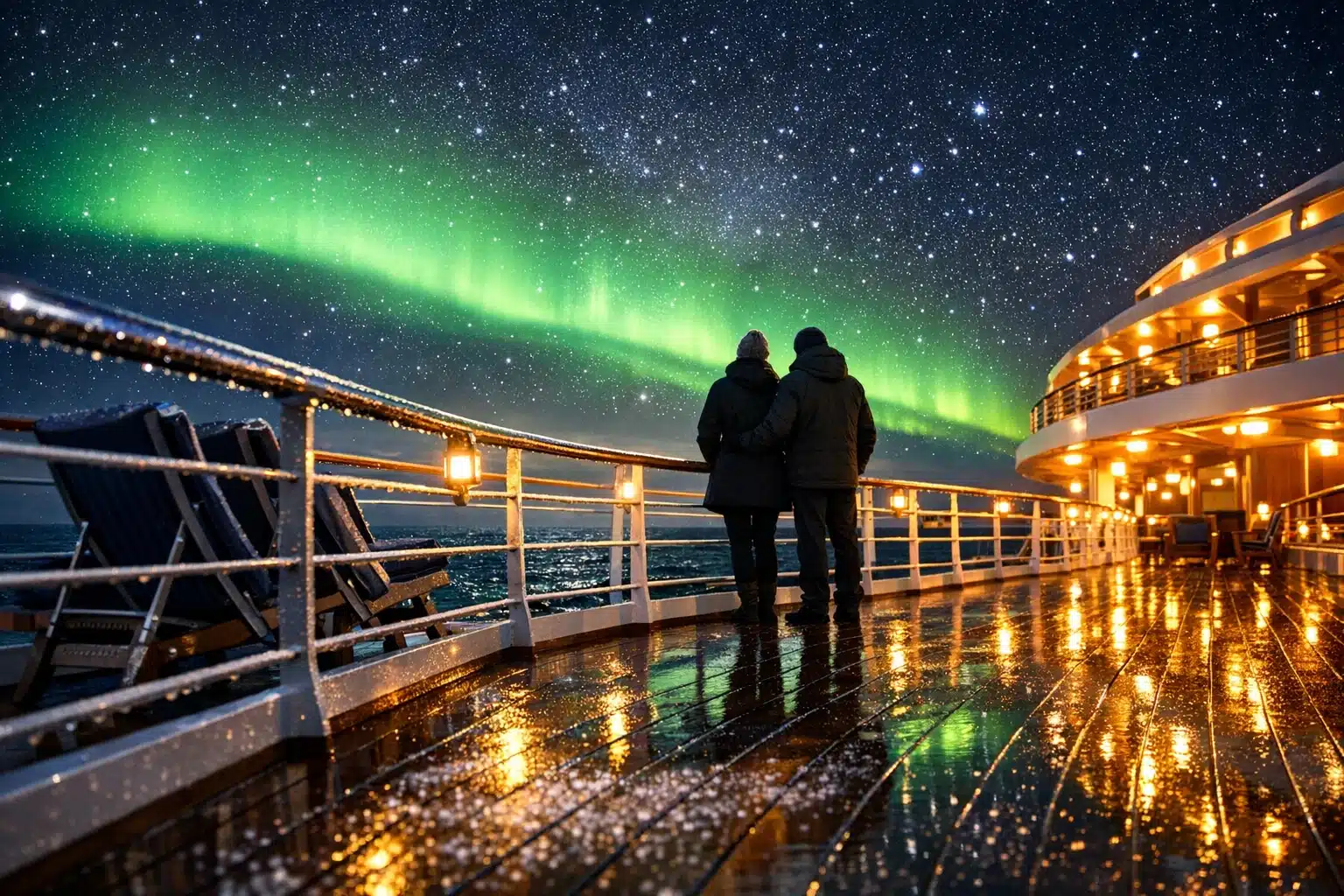
The fairest expectation is this: a 2-night Northern Lights cruise offers a chance, not an assurance. If you treat the lights as a possible highlight rather than the entire reason the trip must succeed, you are far more likely to enjoy the journey. And if the aurora appears unexpectedly above a dark, cold sea, the moment can feel even more magical because it was never guaranteed.
Life On Board During a Short North Sea Crossing
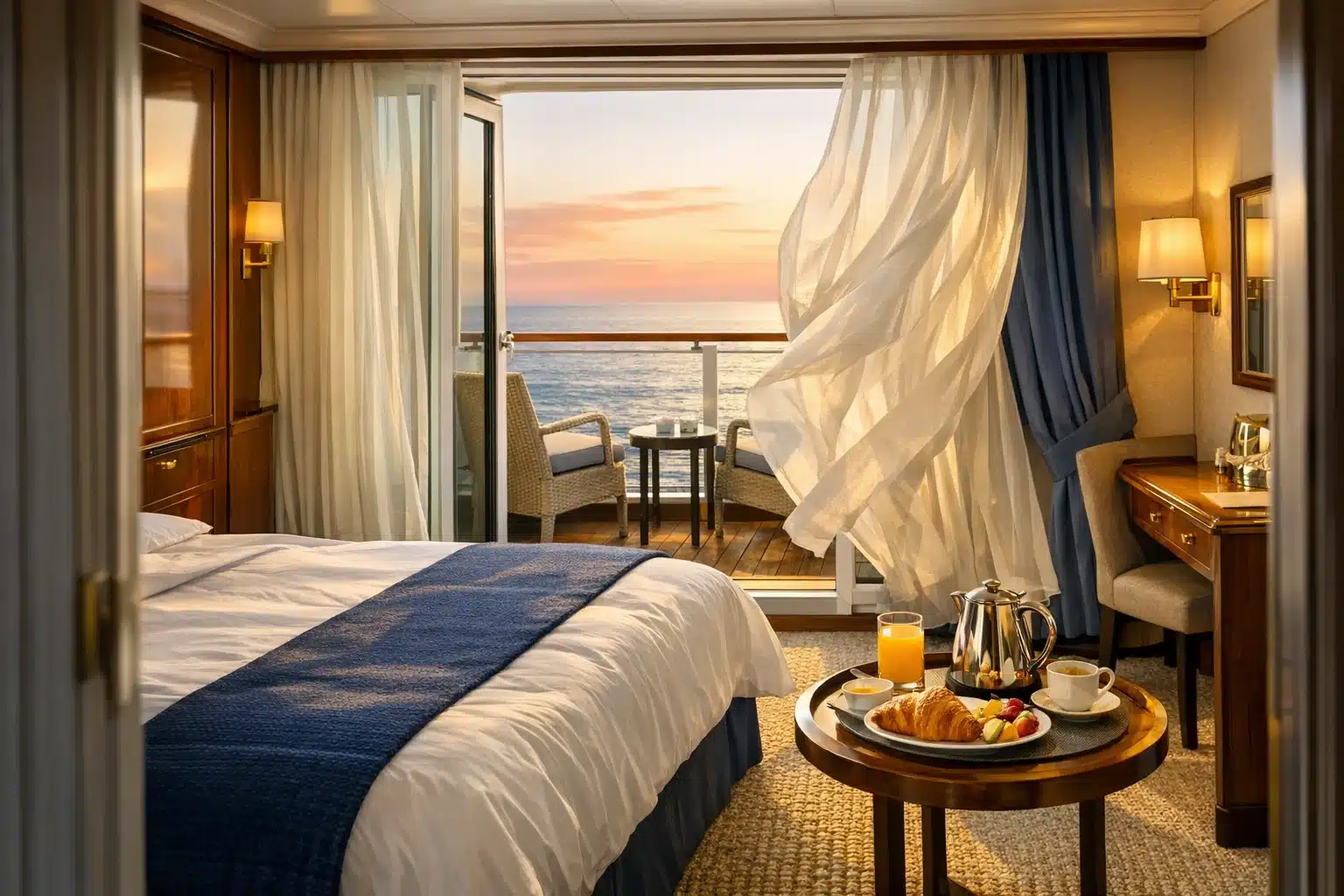
The onboard experience is a major part of the value on a 2-night cruise from Hull to Norway, because the ship is not simply a vehicle; it is where much of your trip actually happens. On a brief itinerary, every hour counts. You are likely to spend one evening settling in, one night sleeping at sea, part of a day enjoying the crossing or a short stop in Norway, and then another evening and night onboard before returning. That means cabin comfort, dining quality, deck access, and the general mood of the ship matter more than they might on a longer itinerary with multiple port days.
Many of these short sailings feel like a hybrid between a ferry and a mini-cruise. You can expect practical cabins, lounges, restaurants, bars, open deck space, and a social atmosphere that often attracts couples, friend groups, and first-time cruise passengers. The appeal is not endless onboard programming; it is the feeling of stepping out of ordinary routine. One hour you are drinking coffee in East Yorkshire, and the next you are watching black water roll under a winter sky while the ship hums steadily north. There is a cinematic quality to it, especially after dark, when the decks grow quieter and every passenger secretly hopes the heavens might put on a show.
The North Sea, however, deserves respect. It can be calm, but in winter it can also be lively. Anyone prone to motion sickness should prepare in advance with medication, wristbands, or other strategies that suit them. Booking a midship cabin on a lower deck may help some travelers feel more stable. If you tend to romanticize rough seas from the comfort of a novel, remember that real rolling can be tiring.
To make onboard time work in your favor, a few practical items go a long way:
- Layered clothing for standing outside at night
- A warm hat and gloves that still allow phone or camera use
- Non-slip footwear for windy decks
- A power bank or fully charged camera batteries, since cold weather drains them faster
Food and entertainment also shape the trip. A well-timed dinner, a warm lounge, or live music can turn a short break into something memorable, even if the sky stays dark and empty. In fact, many passengers enjoy these sailings most when they balance hope with flexibility. Watch the horizon, ask crew where the darkest viewing spots are, and keep your coat ready. Then, if nothing appears, enjoy the crossing for what it is: a brisk, atmospheric voyage with Norway on the horizon and the wonderful uncertainty of winter travel hanging in the air.
Cost, Value, and How This Cruise Compares with Flying to Norway
One reason the 2-night Northern Lights cruise from Hull attracts attention is simple economics: on paper, it can look like an efficient way to sample Norway and chase the aurora without committing to a larger budget. Yet value is not the same as the headline fare. A short cruise can be good value for the right traveler, but only if you understand what is included, what is extra, and what experience you are really buying.
Most fares are shaped by cabin type, sailing date, meal packages, onboard extras, and whether any excursions are attached. A basic inside cabin may look appealing, while a sea-view or premium cabin can raise the total noticeably. Winter dates close to peak festive periods or school holidays may also cost more. Then there are the smaller additions that creep in: drinks, parking, upgraded dining, travel insurance, and spending onboard. None of this makes the cruise poor value; it simply means a low starting price should not be mistaken for the final bill.
Useful cost drivers often include:
- Cabin category and occupancy
- Included meals versus upgraded dining packages
- Port transfers or parking at Hull
- Travel from your home to the departure terminal
- Excursions or optional activities in Norway
When compared with flying, the picture becomes more interesting. A flight to Oslo, Bergen, or even northern Norway can sometimes be competitively priced if booked early, but flights often involve baggage fees, airport transfers, rigid check-in windows, and the need to book hotels. Flying also gives you more control over where you spend your time. If your main goal is maximizing aurora chances, a flight to a northern destination followed by a guided land-based stay will usually outperform a short cruise. You are simply spending more hours in a more favorable location.
Where the Hull cruise wins is convenience and atmosphere. For travelers within easy reach of the port, it bundles transport, accommodation, and the travel experience itself into one package. There is no airport security queue in the middle of the night, no changing hotels after one night, and no need to unpack repeatedly. That can be especially attractive for couples seeking a simple winter break, older travelers who prefer a less fragmented journey, or anyone curious about Norway but not ready to plan a more complex itinerary.
So is it good value? Yes, if you judge it as a themed mini-cruise with a chance of aurora rather than as the cheapest or most efficient way to guarantee the Northern Lights. In pure aurora-chasing terms, it is not the strongest strategy. In experience-per-effort terms, it can be very appealing indeed.
Conclusion: Who This Short Norway Cruise Suits Best
The best audience for a 2-night Northern Lights cruise from Hull is not the hardened aurora hunter with a tripod, a detailed cloud map, and a list of ideal geomagnetic conditions. That traveler will usually do better with a longer itinerary or a dedicated stay in northern Norway. Instead, this short cruise suits people who want a compact, atmospheric escape and like the idea of the journey being part of the reward. If you enjoy sea travel, live within reasonable reach of Hull, and want a winter trip that feels distinctive without becoming logistically heavy, the format makes a lot of sense.
It is especially well suited to:
- First-time cruisers who want to test whether they enjoy life at sea
- Couples looking for a romantic winter break with a strong sense of occasion
- Travelers short on annual leave who still want an international trip
- People who value ease of departure over squeezing in the maximum number of activities
It is less suitable for visitors who dislike rough water, need long daylight hours for sightseeing, or would be deeply disappointed by missing the aurora. That last point matters most. The happiest passengers usually board with layered expectations. They want Norway, sea air, a comfortable cabin, good food, and a chance of something extraordinary. They do not define success by one photograph.
If you do decide to book, the smartest approach is simple. Travel in the darker part of the season. Dress for long waits outside. Learn where the darkest deck areas are. Keep your camera settings ready if you plan to shoot the sky. And perhaps most importantly, stay flexible in mood as well as schedule. Winter travel rewards those who can enjoy what appears rather than resent what does not.
For the right traveler, a 2-night cruise from Hull to Norway can be a refreshing little adventure: part seaborne getaway, part cold-weather reset, part lesson in how good trips often balance planning with luck. You may return with photographs of green ribbons over the sea, or simply with the memory of a dark deck, a sharp wind, and the excitement of looking up. Either outcome can be worthwhile. The key is booking the trip for what it truly is: a brief, evocative northern escape with the aurora as a thrilling possibility, not a promise.